
A Complete Guide to Safe Solo Overlanding
The great outdoors offers so much more than just a beautiful campsite. From your arrival to your drive back home, you can enjoy every view along the way. This is why many travelers enjoy overlanding: it lets them savor both the journey and the destinations.
Solo overlanding delivers freedom, challenge, and total control over the journey. Every mile depends on preparation, decision-making, and the right equipment.
Follow along to learn how to start safe solo overlanding, from planning to confidence behind the wheel. With the right vehicle setup and smart habits, you can travel farther and enjoy everything that the great outdoors has to offer.
What Solo Overlanding Really Means
Overlanding focuses on the journey rather than the destination. This means you’re not just going to show up to your campsite and then leave in the morning. Instead, you travel to remote locations and enjoy the untouched regions throughout the entire trip.
Traveling solo adds another layer of responsibility because no one else handles navigation, recovery, or emergency decisions. You are in charge of every route choice and campsite selection. That makes preparation and gear selection critical from day one.
Many solo overlanders value independence and flexibility. If you enjoy remote trails, dispersed campsites, and long stretches of backcountry roads, then solo overlanding is the travel style for you. Even though it is an amazing adventure, it still comes with risks that you need to prepare for.
Choosing the Right Vehicle Setup
A safe solo trip starts with a dependable vehicle. Mechanical reliability matters more than aggressive modifications. Always check that you have fresh fluids, solid tires, strong brakes, and a healthy battery before venturing out. Preventative maintenance reduces the chance of breakdowns in remote areas.
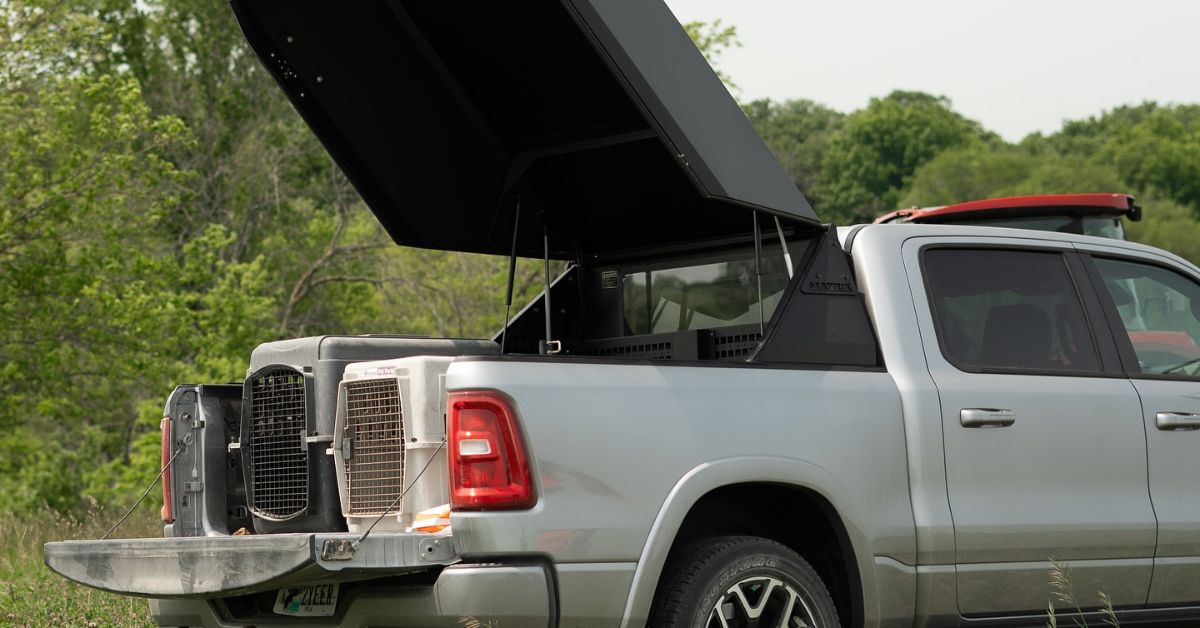
Storage and protection also play a major role in safety. Secure truck toppers protect tools, recovery gear, and camping equipment from theft and weather. Many truck topper manufacturers focus on windows and flashy designs, but at Black River, we prioritize quality and performance for your vehicle. A rugged topper from Black River adds protection, clean styling, and practical storage for serious backcountry travel.
Storage doesn’t just affect your safety; it also impacts your driving ability. Weight distribution affects handling and fuel economy. Heavy items should sit low and close to the cab. Balanced loads reduce rollover risk on uneven terrain. Smart packing makes every mile smoother and safer.

Planning Routes With Safety in Mind
Spontaneity sounds exciting, but solo overlanding requires intentional route planning. Study maps before departure and identify fuel stops, water sources, and bailout routes. Download offline maps in case cell service disappears. Share a detailed itinerary with a trusted contact before leaving home.
Weather patterns deserve close attention. Flash floods, snowstorms, and extreme heat can quickly create dangerous conditions. Check forecasts for every region along the route. Adjust travel plans when necessary instead of pushing forward into unsafe terrain.
Time management also improves safety. Start trail runs early in the day to allow extra daylight for unexpected obstacles. Avoid driving unfamiliar technical terrain at night. Clear visibility reduces mistakes and prevents unnecessary damage.
Essential Safety and Recovery Gear
Solo overlanders cannot rely on someone else’s equipment. Every vehicle should carry recovery and emergency essentials that handle common trail problems. The right gear turns a setback into a manageable delay instead of a crisis.
Key items every solo overlander should carry include:
- Recovery boards for sand, mud, or snow
- A quality jack suited for off-road use
- A full-size spare tire and repair kit
- Air compressor and tire deflator
- First aid kit with trauma supplies
- Fire extinguisher mounted within reach
- Satellite communicator or emergency beacon
Each item serves a specific purpose. Recovery boards provide traction in soft terrain. A satellite communicator allows contact with emergency services when cell coverage is unavailable. Preparedness replaces panic when problems arise.
Communication and Emergency Planning
Reliable communication is central to solo safety. Cell phones alone do not provide sufficient coverage in remote regions. Satellite messengers allow check-ins and SOS alerts from almost anywhere. Handheld radios also help when traveling near other off-road groups.
A clear emergency plan prevents hesitation during critical situations. Establish check-in times with a family member or friend. Provide them with route details, expected campsite locations, and return dates. Instruct them on when to alert authorities if contact stops.
Medical preparedness matters just as much as mechanical readiness. Take a basic first aid or wilderness first aid course before venturing far from paved roads. Knowledge turns equipment into effective action.
Smart Campsite Selection for Solo Travelers
Campsite selection impacts both comfort and security. Choose locations with stable, level ground and safe access routes. Avoid dry riverbeds, steep drop-offs, and areas with obvious flood risk. Park with an exit path in mind to allow quick departure if needed.
Visibility plays a role in personal security. Remote locations offer solitude, but completely hidden campsites can create vulnerability. Balance privacy with reasonable awareness of surroundings. Trust instincts and relocate if a site feels uncomfortable.
Situational Awareness on the Trail
As a solo overlander, you must maintain constant awareness. Trail conditions change quickly due to weather, erosion, or traffic. Stop and walk obstacles before attempting difficult sections. Evaluate approach angles, traction, and escape routes before committing.
Long drives over rough terrain demand focus and energy, which can leave you exhausted if you don’t plan your breaks. Take regular breaks to stretch, hydrate, and reset concentration. Alert driving reduces the chance of rollover or collision.

Vehicle Security and Gear Protection
Theft and gear loss can derail a solo adventure. Lockable storage solutions reduce risk at trailheads and dispersed campsites. Solid truck toppers with secure latching systems prevent easy access to valuable equipment. Concealed storage also keeps expensive recovery gear out of sight.
Durability plays a key role in long-term safety. High-quality aluminum construction resists corrosion and trail abuse. Black River builds products designed to withstand harsh outdoor conditions while maintaining a rugged, adventure-ready look. Reliable equipment reduces long-term maintenance concerns.
Organization enhances efficiency. Labeled bins and modular storage systems keep tools, food, and clothing separated. Quick access to critical gear saves time during sudden weather shifts or recovery situations. Structured packing supports clear thinking under pressure.
Mental Preparation and Risk Management
Confidence grows through preparation and experience. Start with shorter solo trips before committing to extended backcountry travel. Gradually increase route difficulty as skills improve. Each successful trip builds practical knowledge and self-trust.
Risk management requires honest self-assessment. Turn around when obstacles exceed skill level or equipment capability. Pride should never dictate your trail decisions.
Building a Reliable Overlanding Setup
A complete guide to safe solo overlanding always circles back to preparation. Reliable vehicles, organized storage, and durable protection systems form the backbone of safe travel.
At Black River, we support outdoor enthusiasts with high-quality truck toppers and vehicle accessories designed to protect gear and enhance utility. Our durable equipment allows you to focus on the journey rather than worry about the truck setup. The journey becomes safer, smoother, and far more enjoyable when every detail supports adventure readiness. Come to Black River for the best truck toppers.